11 Proven Free & Low-Cost Marketing Strategies for Self-Published Authors
For many self-published authors, especially those who are new to self-publishing or releasing a new book, marketing can feel overwhelming. This is particularly true if you have a small social media presence, a simple website, no email list yet, or you live in a rural area with limited access to bookstores and signing opportunities. Here are 11 free or low-cost marketing strategies that consistently work, even if:
- You don’t have a big social media following
- Your website is simple (or brand new)
- You don’t yet collect emails
- You live in a rural area with limited bookstores or events
Most importantly, these strategies help you build readers and gather reviews without wearing out the goodwill of friends and family.
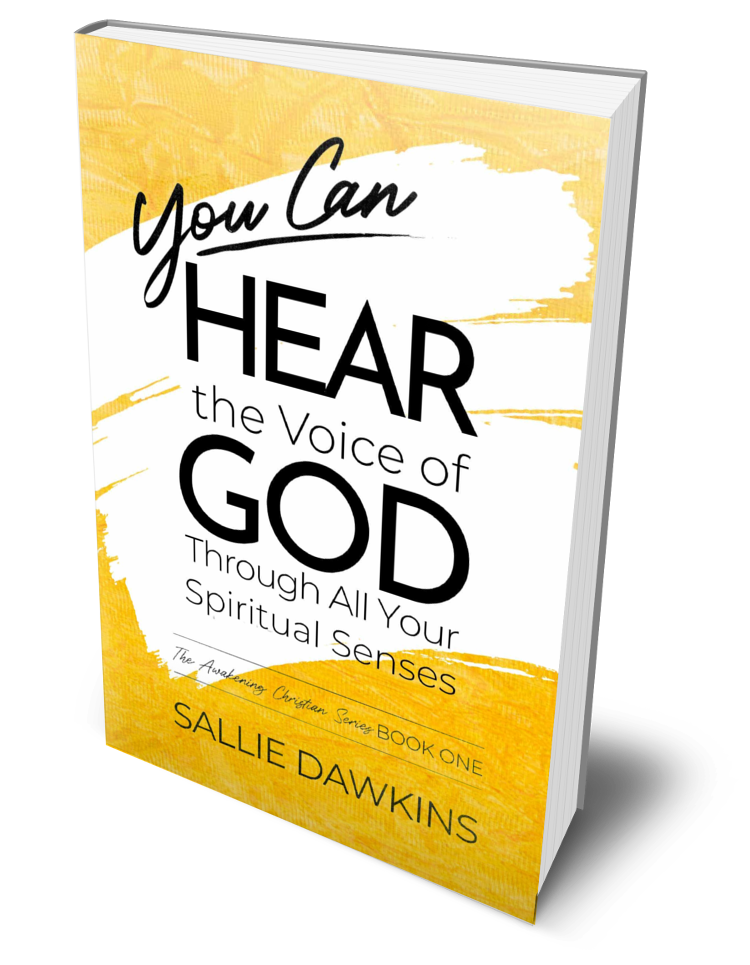
1. When I released my most recent book just before a December holiday, I tried a simple experiment: a “gift exchange” eBook giveaway. I offered free copies as a holiday gift, inviting readers to leave an honest review if they felt led to do so. In one week, this strategy rendered 100 downloads, with 12 readers leaving positive reviews, and 8 paperback copies were sold. For a small release without paid advertising, that felt like a meaningful success and a reminder that small, intentional efforts can still bear fruit.
2. Free eBooks (or books) still work when they are framed with purpose rather than desperation. By tying a giveaway to a holiday, a spiritual theme, or a life season such as the new year or back-to-school time, you give readers a reason to engage. Presenting the book as a gift rather than a marketing tactic lowers resistance and invites goodwill. When readers feel no pressure to review, they are often more willing to share genuine feedback. This strategy removes friction for new readers and gives them a meaningful reason to try your work.
3. Libraries remain an underused but powerful ally, even for authors in rural communities. Donating a paperback or hardcover copy, asking about local author shelves, or offering to lead a short devotional or virtual reading can open unexpected doors. Libraries are trusted institutions, and having your book on their shelves lends credibility while introducing your work to readers who may never encounter you online. Libraries lend credibility and introduce your book to readers you’ll never reach online. TIP: When you make your donation, ask for a donation slip so you can count this as a business expense, and take a photo while you’re there. It helps readers see you as a real author!

4. Local newspapers, church bulletins, and community newsletters are another overlooked opportunity. Sharing your story as a local or faith-based author is not self-promotion; it is community engagement. Many small publications are eager for human-interest stories and announcements, and they face far less competition than larger outlets. A simple press release or email can result in meaningful exposure. Local media has loyal readers and far less competition than national outlets.
5. Gathering reviews becomes much easier when you involve readers before your book officially launches. Recruiting beta readers through church groups, online faith-based communities, or writing groups allows you to invite participation rather than ask for favors. When readers feel included in the process, they are more likely to share feedback or leave thoughtful reviews once the book is released (if they feel comfortable). Reviews are easier to get when the relationship starts with collaboration, not a sale. TIP: Readers’ Favorite Book Reviews offers an outlet for you to obtain advance editorial reviews you can use in marketing.
6. Online Christian communities can also be a valuable space for organic connection. You do not need to post daily or constantly promote your work. By showing up consistently, offering encouragement, and engaging in conversations related to your book’s themes, you build trust over time. When you eventually mention your book, it feels natural rather than intrusive. This works well if your book’s topic ties in with the group’s focus (homeschooling, business, discipleship, grief, marriage, etc). Trust builds faster in shared-faith spaces.
7. For Christian authors, positioning your book as a ministry tool rather than simply a product can significantly expand its reach. Offering your book for small-group study, church libraries, counseling ministries, or discipleship programs allows it to serve a purpose beyond entertainment. When readers experience your book in community, discussions often lead to word-of-mouth recommendations and reviews. Christian readers value purpose over promotion. TIP: Before publishing, consider how you might extend engagement or support readers. Have you included story extension questions or activities? Is there a separate small group study guide (or coloring pages for teachers and families)?
8. A surprisingly effective strategy is adding a gentle review request inside the book itself. Many readers do not leave reviews simply because they don’t know how or don’t think it matters. Adding a short “Next Steps” page to the back of your book may help. “If this book encouraged you, would you consider leaving an honest review? Reviews help books reach more readers.” TIP: Kindle eBooks automatically prompt the reader to leave a review! Gentle reminders dramatically increases review rates!
9. Collaboration with other authors, bloggers, or ministry leaders can also extend your reach without cost. Guest blog posts, podcast interviews, or simple mentions introduce your work to warm audiences who already share similar values. Even small platforms can have a significant impact when trust is already established. Borrowed trust is powerful—and biblical.
10. It’s important to pace yourself and protect your relationships. Friends and family are often happy to support a book launch, but relying on them repeatedly can lead to fatigue for everyone involved. Rotating who you ask, inviting prayers instead of purchases, and allowing some launches to be “quiet,” helps preserve goodwill and sustain your writing journey. Faithfulness over frenzy builds longevity and this is important because burnout helps no one—especially ministry-minded writers. TIP: Review Tip #1
11. Finally, align your book with what you’re already known for. Friend and fellow author, Bill Carman, is a wonderful example of how this can work. Bill is genuinely one of the most personable people you’ll ever meet, and he consistently submits articles on hunting and fishing to outdoor magazines, which keeps his name and expertise in front of the right audience. He also sets up simple “Meet the Author” tables at outdoor events, where he regularly sells up to $1,000 in books in a single day. What makes this strategy so effective is that his books naturally complement his fly-fishing business, creating a seamless connection between his real-world work and his writing. When your book aligns with an area where you already have credibility, passion, or a personal story, marketing feels less like promotion and more like a natural extension of who you are and what you love to do.
12. BONUS TIP: Amazon’s built-in tools should not be overlooked, even if you never run ads. Thoughtful category selection, clear keywords, and an updated author bio improve discoverability over time.
If you’re writing for Christian readers, remember, your book doesn’t have to reach everyone—just the right ones. Marketing does not have to be loud, expensive, or exhausting. Faithful, consistent efforts, even small ones, can open doors you never expected. Keep writing, keep sharing, and trust that growth often happens quietly but faithfully.
If twelve reviews come from 100 free downloads, imagine what consistency—and community—can do over time.
Keep writing. Keep planting. The harvest often comes quietly. If you have questions about self-publishing, Self-Publishing Simplified and The Complete Beginner’s Guide to Self-Publishing for Christians provide practical, proven, step-by-step strategies using free and low-cost tools to help you confidently reach your publishing goals.